Most small businesses aren't built to survive the growth they're expecting
Small-business optimism just hit an all-time high, with 93% of owners expecting growth this year. Most are about to try to deliver it with the same calendar and the same manual systems, which is exactly where growth turns into burnout instead of revenue.
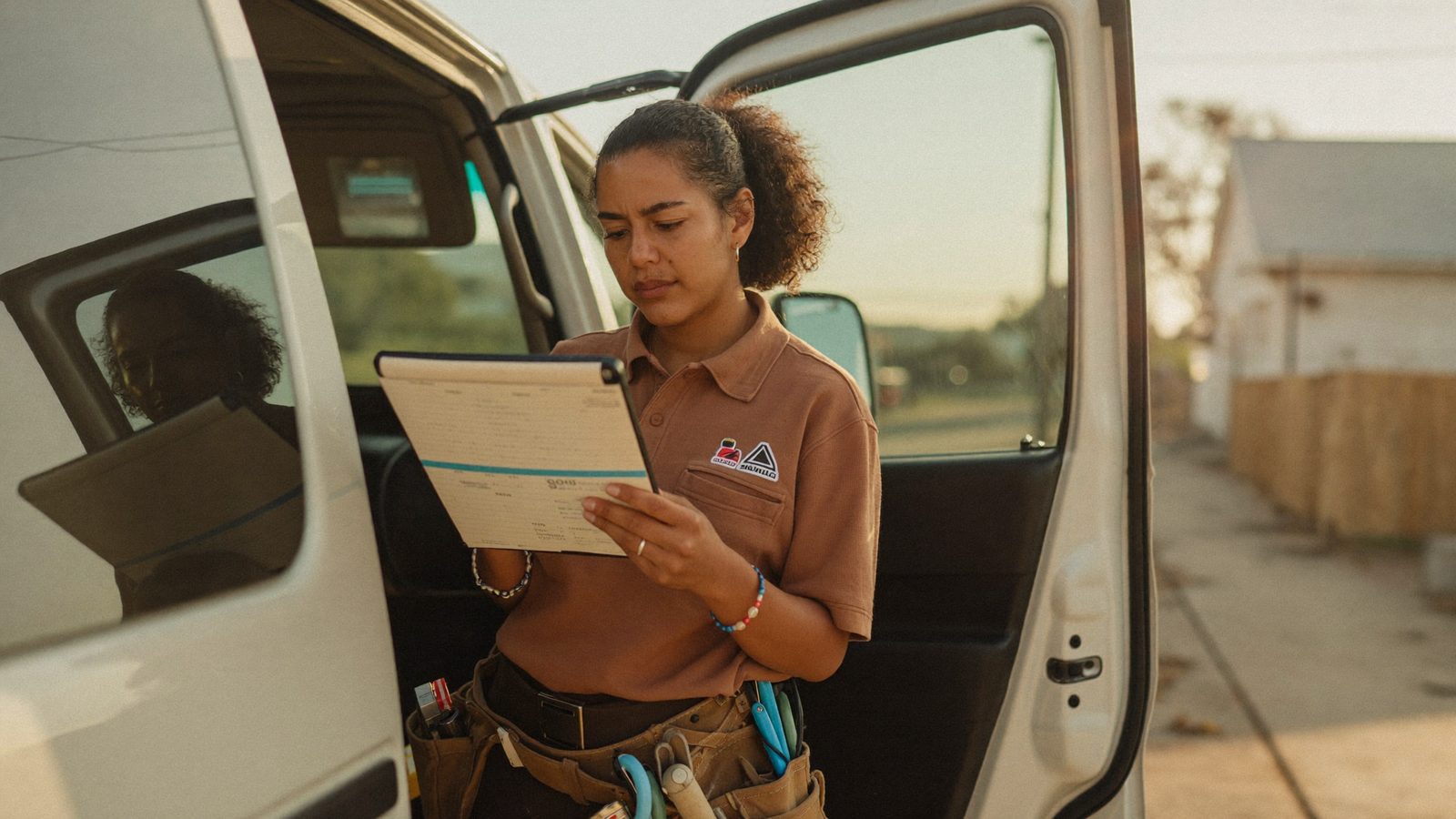
Ninety-three percent of small businesses expect to grow this year, the highest share a national survey has ever recorded for that question. That confidence is real, and mostly earned. It is also the exact moment a lot of small businesses quietly become unmanageable, because growth does not scale the one resource every small business actually runs on: the owner’s own hours.
The most optimistic year on record is also the riskiest one
The Small Business Cash Flow Trend Report from OnDeck and Ocrolus, built from 651 small businesses with active working capital loans and more than 3.69 million financing applications over the trailing 15 months, found that 93 percent of owners expect growth in the next year, with 32 percent expecting significant growth, an all-time high for the survey (OnDeck/Ocrolus Small Business Cash Flow Trend Report, May 2026). “Small businesses aren’t slowing down. They’re planning ahead, investing in growth and finding new ways to operate more efficiently,” said Cory Kampfer, co-president of small business lending at Enova, which owns OnDeck.
That phrase, operate more efficiently, is doing more work than it sounds like. Optimism is cheap. Capacity is not. A shop that books 30 percent more work this year with the same owner, the same calendar, and the same manual process for quoting, scheduling, and following up is not really growing. It is redistributing the same 24 hours across more customers, and somewhere in that redistribution, something gives.
The thing that gives is usually you
Something is already giving before this year’s growth even lands. Small business owners work more than 50 hours a week at roughly double the rate of the average American employee, whose week runs about 33.8 hours according to the Bureau of Labor Statistics: a third of owners work more than 50 hours, and a quarter work more than 60 (SCORE, “How Hard Small Business Owners Work”). That is the baseline. Add 30 percent more customers to a system that already depends on the owner personally handling every quote, every reminder, and every post, and the math does not resolve into more revenue. It resolves into more hours, right up until the owner runs out of them.
Put a number on it. A shop quoting and scheduling 20 jobs a week that grows 30 percent this year is suddenly handling 26, with the exact same calendar, the exact same intake process, and the exact same person doing both. Nothing about “significant growth” made the week longer. It just made every hour in it worth more, and more likely to get dropped.
Small operations do not have slack built in to absorb it
This is not a problem that hits a handful of unlucky businesses. Small businesses make up 99.9 percent of all U.S. firms, 36.2 million of them, generating 46 percent of private sector employment and roughly nine of every ten net new jobs created between March 2023 and March 2024 (U.S. Small Business Administration, Office of Advocacy, 2025 Small Business Profile). At that scale, “small” usually means lean by necessity: the owner is the bookkeeper, the marketer, and the front desk, often in the same afternoon, with no back office standing by to absorb the overflow when demand spikes. A larger company hires and builds capacity ahead of a growth year. A small one is often still deciding whether to answer the phone or finish the job already in front of them, and growth just raises how often that choice gets forced.
Build the capacity before the demand shows up, not after
The fix is not working harder through the busiest year your business has had. It is making sure the systems around you can absorb more customers without needing more of your hours to run them: a website and booking flow that takes the inquiry, and the deposit, while you are still on the last job. An intake and follow-up sequence that texts back and quotes on a schedule instead of whenever you resurface. A social and email presence that keeps showing up on its own, instead of whenever you find twenty free minutes to post. None of that requires growing your headcount before you grow your revenue. It requires the machinery to already be running by the time the growth you are expecting actually arrives, which is exactly the gap between the businesses that turn a record year into a bigger one, and the ones that turn it into a harder one.
“Owners are making deliberate choices supported by better data and clearer visibility into their financial performance,” said David Snitkof, general manager of small business at Ocrolus, describing how businesses are adapting through 2026. Visibility into the numbers is half of that discipline. The other half is making sure the operation underneath those numbers can actually carry what the forecast is asking of it.
The takeaway
Confidence about this year is not the risk. Assuming your current systems can carry the volume you are hoping for is. Before the growth you are expecting shows up, name the one part of your operation most likely to buckle under 30 percent more customers, whether that is quoting, scheduling, or simply answering the phone, and fix that piece this week. The businesses that end this year glad they grew are the ones that automated the capacity first.
Sources
- New Report: 93% of Small Businesses Expect Growth in 2026, OnDeck/Ocrolus Small Business Cash Flow Trend Report via PR Newswire, May 2026
- How Hard Small Business Owners Work, SCORE
- New Advocacy Report Shows the Number of Small Businesses in the U.S. Exceeds 36 million, U.S. Small Business Administration, Office of Advocacy, 2025