The customer you didn't answer just called someone else
Six in ten calls to a small business go unanswered, and most callers never try again. An automated answering system costs less than the salary of the receptionist it would replace.
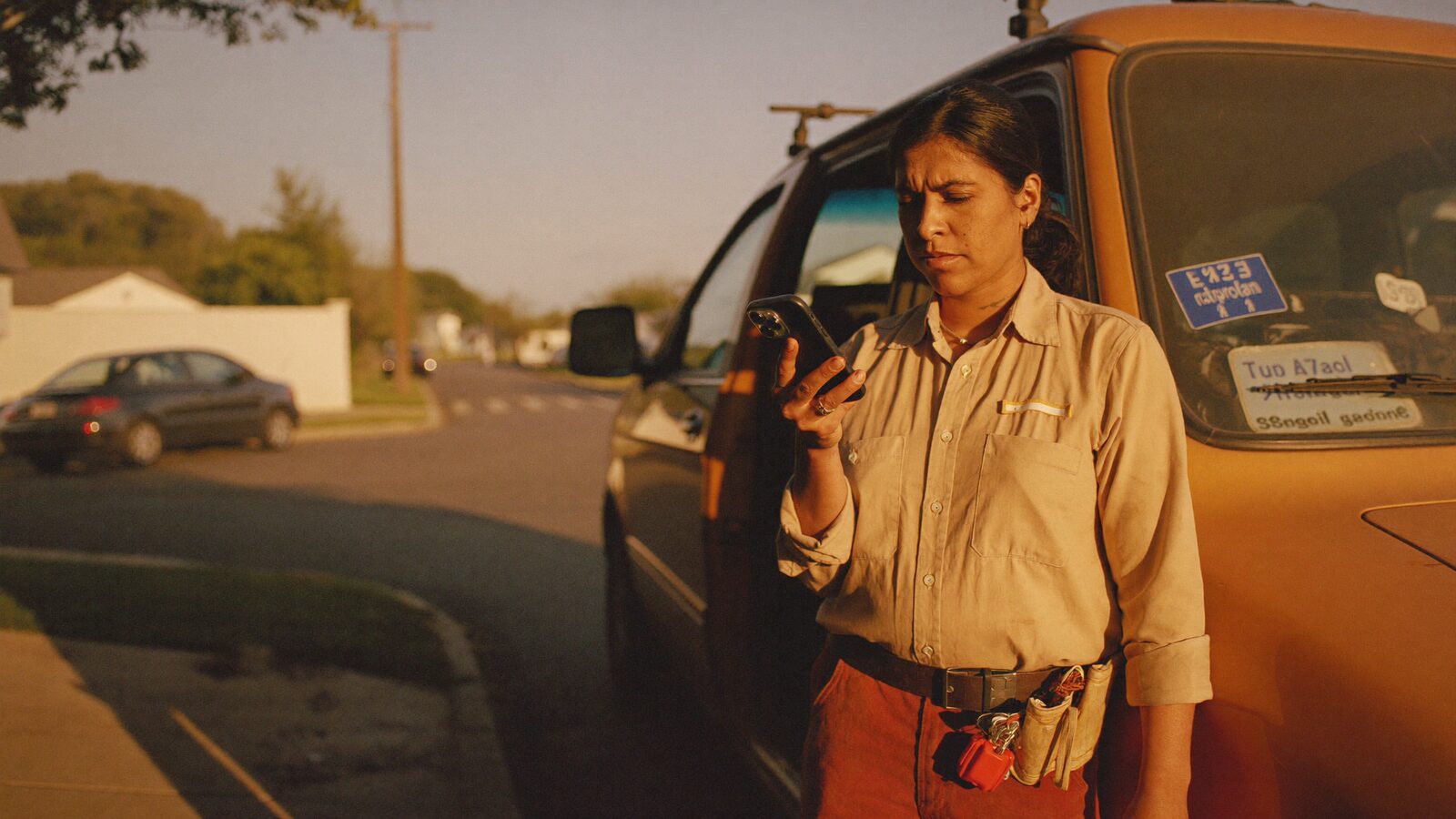
Six in ten calls to a small business ring through to voicemail or nothing at all, and the caller almost never tries again. That is not a customer service footnote. It is revenue leaving through the one channel most owners never think to audit, because unlike a slow email reply or an unread message, a missed call leaves no trace in your inbox. You do not see the ones that got away.
The phone still decides more than the website does
Long before there were web forms and chat widgets, BIA Advisory Services, then publishing under the name BIA/Kelsey, studied how consumers actually reach local businesses. Its research, gathered in the report Call Commerce: A $1 Trillion Economic Engine, found that phone calls influence more than $1 trillion in U.S. consumer spending every year. “Voice communication is compelled in complex communication, such as commerce,” the firm wrote, and nothing about the smartphone era has made that less true. A customer will browse your website, compare a couple of competitors, and then call when they are actually ready to book, ask something the site cannot answer, or hand over money.
The trouble is what happens next. A 2024 study by 411 Locals found that only 37.8 percent of calls to small businesses are answered live. The remaining 62.2 percent go to voicemail or nowhere at all. That is not a niche problem in one industry. It is the average.
The caller does not wait, and rarely comes back
Here is the part that should reframe how you think about a missed call: it is not a delayed opportunity. It is usually a closed one. Numa’s 2021 Small Business Phone Report found that 85 percent of callers who reach voicemail never call back. They call the next business on the list instead, and by the time you notice the missed-call icon on your phone, the job is often already booked elsewhere.
That behavior makes sense once you consider why people call in the first place. Invoca’s 2022 Call Intelligence Report found that 75 percent of consumers say a phone call is the fastest way to get a response from a business, which is exactly the expectation they are bringing to that call. When the fastest channel fails silently, the customer does not wait patiently. Invoca estimates the average service business loses roughly $126,000 a year in revenue tied directly to missed calls. That is not ad spend or a marketing budget. It is money that already had a customer’s name on it.
The math against hiring your way out of it
The instinct is to solve this by adding a person: a receptionist, a front-desk hire, someone whose job is to pick up the phone. According to the U.S. Bureau of Labor Statistics, the median annual wage for a receptionist was $36,920 as of May 2023, before payroll tax, benefits, training, or the fact that one person cannot answer a call at 7 a.m., during their lunch break, or on a Saturday when your busiest customers are calling.
An automated answering system, the kind that picks up every call, confirms the basics, and texts back the ones it cannot resolve, runs a fraction of that cost and never misses a shift. It does not replace the value of a real conversation for a complicated job. It replaces the silence that currently costs you the easy ones: the caller who just wants to confirm you do the work, ask what a service costs, or get on the schedule. Those calls do not need judgment. They need someone, or something, to pick up.
Where the studio comes in
This is the same shape as most of what we build: a system that stands in for the hours a small business cannot staff by hand. A website that keeps selling after you go home. A social presence that posts on schedule instead of whenever you remember. An automated first response that catches the lead the moment it arrives, whether it comes in as a form, a message, or a call. None of these replace you. They replace the gap between when a customer reaches out and when you are actually free to answer, and that gap is where the $126,000 goes.
The test is the same one we apply everywhere else: if answering the phone correctly does not require your judgment, a system can do it, and it should. If it does require your judgment, the system’s job is just to make sure the call reaches you instead of a voicemail box nobody checks.
The takeaway
Before you spend another dollar on ads or referrals, spend a week finding out what your phone is actually doing. Check your call log, or ask whoever picks up to log every missed call for seven days. Multiply that number by what an average job is worth to you. Most owners are surprised by the total, and it is usually bigger than the cost of fixing it.
The step this week: pull last month’s call log and count how many calls did not get answered live. That number is your case for putting a system on the line, not a person on hold.
Sources
- BIA/Kelsey Bytes: Phone Calls, The Base Ingredient for Local Commerce, BIA Advisory Services, August 2016
- The Real Cost of Missed Calls for Service Businesses, citing 411 Locals, 2024
- Missed Call Statistics: What Every Small Business Owner Should Know, citing Numa’s 2021 Small Business Phone Report
- The Real Cost of Missed Calls: Why Small Businesses Lose $126,000 Per Year, citing Invoca’s 2022 Call Intelligence Report
- Occupational Outlook Handbook: Receptionists, U.S. Bureau of Labor Statistics, May 2023